Electric vs Petrol Pressure Washers for Home Cleaning Jobs
Choosing between an electric and petrol pressure washer depends on what you need to clean, how often you use it and the services https://landenoxgm094.scriblorax.com/posts/2026-property-maintenance-exterior-washing-in-parramatta available around your property. For Parramatta homeowners, electric models generally suit routine outdoor maintenance, while petrol machines offer mobility and sustained output for larger jobs. However, more pressure does not automatically mean better cleaning: the wrong setting can damage concrete, timber, grout and paint.
Electric Pressure Washers: Convenient for Routine Cleaning
Electric pressure washers are usually lighter, quieter and easier to maintain than petrol models. They are a practical choice for washing outdoor furniture, bins, small patios and vehicles, provided the manufacturer permits those uses. Suitable models can also clean residential paths and driveways, although smaller machines may take longer.
The main limitation is access to electricity. You need a suitable power supply and enough hose reach to work safely. Use an RCD-protected supply, keep electrical connections dry and follow the manufacturer’s instructions about extension leads. Never handle plugs with wet hands or allow connections to sit in pooled water.
Petrol Pressure Washers: Useful for Larger Outdoor Areas
Petrol pressure washers operate without a power point, making them useful for long driveways, larger paved areas and locations beyond convenient electrical access. Many deliver higher water flow and sustained cleaning performance than entry-level electric machines.
However, they are generally heavier, noisier and require fuel, engine servicing and appropriate storage. Never operate a petrol pressure washer indoors, in a garage or in an enclosed or poorly ventilated area. Exhaust contains carbon monoxide, so position the machine outdoors, away from doors, windows and air intakes.
Compare Pressure, Water Flow and Accessories
Do not choose a machine on its advertised maximum PSI alone. Compare rated working pressure and water flow in litres per minute. Pressure helps loosen dirt, while flow helps carry it away. For larger paved areas, a compatible surface cleaner can improve coverage and reduce striping when used correctly.


- Small, occasional jobs: An electric machine is often the most convenient starting point.
- Large or frequent cleaning jobs: Compare higher-flow electric and petrol models, including their maintenance and operating costs.
- Delicate surfaces: Prioritise adjustable pressure, suitable nozzles and surface-specific cleaning methods.
- Limited tap supply: Check that your water supply meets the machine’s minimum flow requirements before operating it.
Protect Your Parramatta Property
Match the Method to the Surface
Start with the lowest suitable pressure and test an inconspicuous area. Keep the nozzle moving and maintain the distance recommended by the equipment and surface manufacturers. Avoid concentrated jets on timber, vehicle paint, window seals and damaged mortar. Older, cracked or decorative concrete also needs particular care.
Pressure washing is not appropriate for every material. Never pressure clean suspected asbestos-containing surfaces. Roofs, fragile masonry and painted finishes may need specialist assessment or a lower-pressure cleaning method.
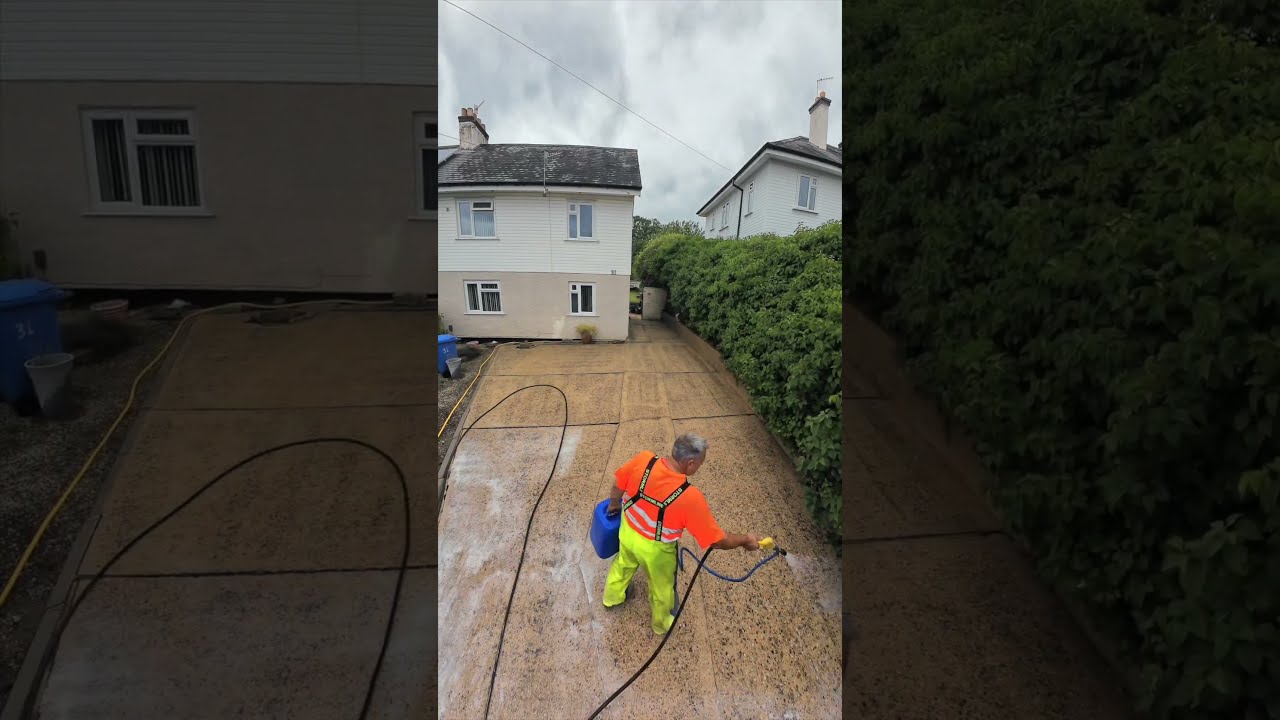
Manage Runoff, Water Use and Noise
Before cleaning, sweep up loose dirt and plan where the wastewater will go. Prevent detergent, oil, sediment and contaminated wash water from entering street gutters or stormwater drains. Use appropriate containment or recovery methods where necessary; a biodegradable detergent does not make runoff safe for stormwater.
Check current Sydney Water restrictions and applicable City of Parramatta requirements before starting. Schedule noisy work considerately and check NSW residential noise rules, particularly when using petrol equipment. For units and townhouses, confirm strata approval and access arrangements for shared areas.
Which Pressure Washer Should You Choose?
Choose electric for convenience and routine home maintenance; consider petrol when mobility and sustained performance justify the extra noise and upkeep. Neither power source guarantees a better result—the operator, nozzle, flow rate and cleaning method matter just as much.
For extensive staining, sensitive surfaces or difficult runoff control, professional pressure cleaning in Parramatta may be the more practical option. Ask how the provider assesses surfaces, protects nearby property and manages wastewater before booking.
Parramatta Pressure Cleaning
(02) 9538 7943
Ends · BEAUCGWI387